
[ad_1]
In the heart of Miami, where Overtown’s rich cultural legacy meets the pulse of a growing city, a new era is unfolding. It’s a renaissance aimed at bridging the divide created long ago by I-95, restoring this historic Black neighborhood to its former glory.
On Aug. 28, 2025, the Southeast Overtown/Park West Community Redevelopment Agency (SEOPW CRA) officially closed on a $175 million municipal bond, marking a historic moment for the community. Approved by the City of Miami in April and the Miami-Dade County Commission in July, the bond will finance an ambitious portfolio of projects, including affordable housing, infrastructure, cultural spaces and public amenities.
“We look forward to these dynamic projects improving the quality of life for our residents,” said Christine King, chairwoman of the City of Miami Commission and SEOPW CRA Board.
Affordable housing
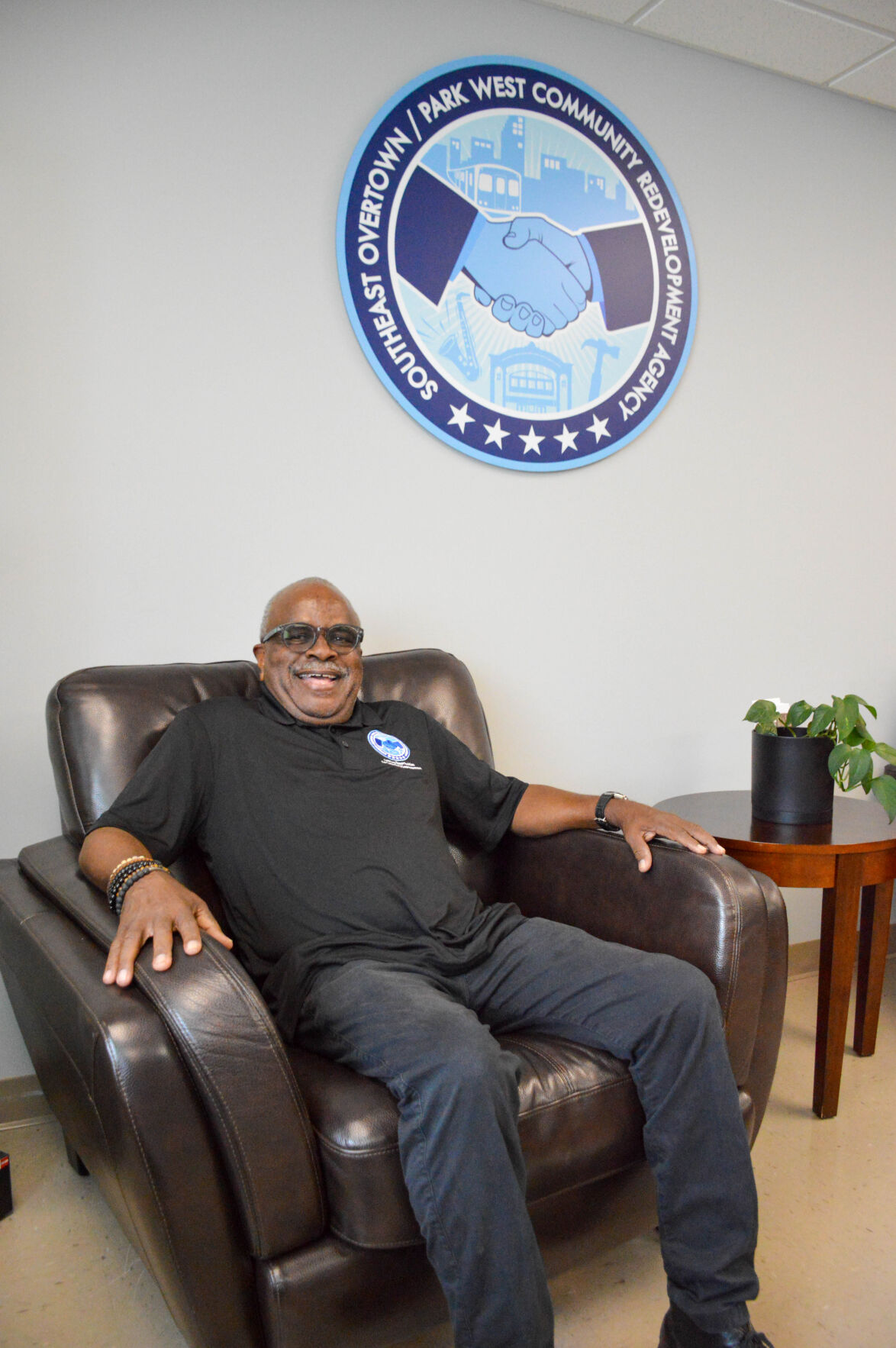
James McQueen was raised in Overtown and hopes to bring the community back to its days of glory.
SEOPW CRA Executive Director James D. McQueen said the bond closing represents more than financial flexibility. To him, it’s a turning point.
“The closing of the bond allows us to continue our mission in the renaissance of Overtown. It allows us to invest in additional infrastructure, green spaces, cultural spaces, but more importantly, affordable housing,” he said.
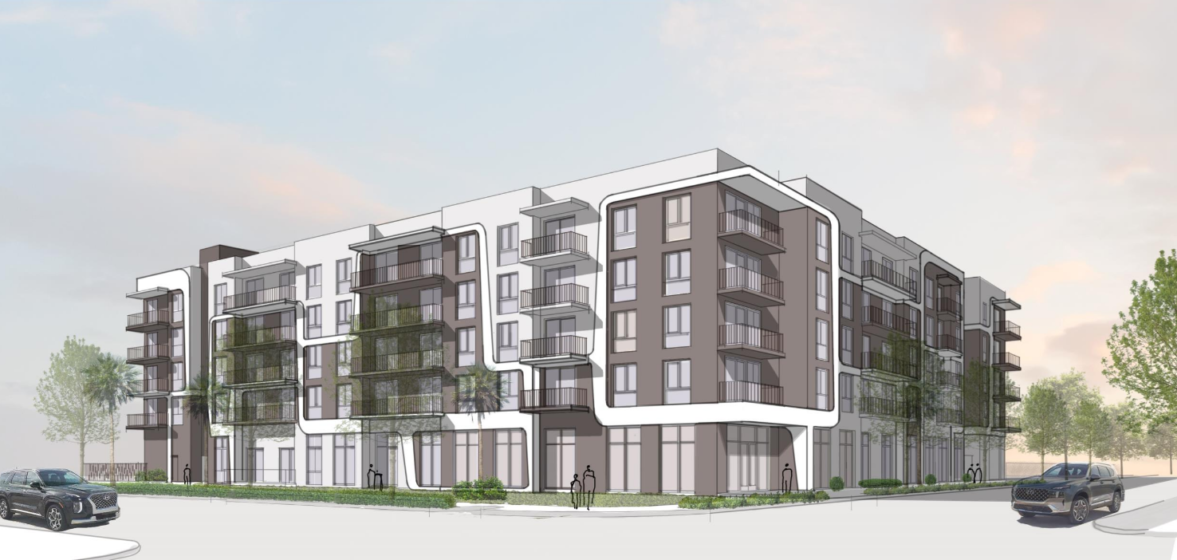
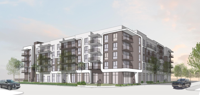
Courtside Apartments II, two five-story residential buildings for residents earning between 50% and 70% of the AMI.
The bond will fund projects expected to deliver approximately 2,500 affordable and workforce housing units to the area. McQueen said he hopes to bring back professionals and residents who left the area due to skyrocketing rents.
“When we talk about balancing it, I think it’ll bring back a lot of people who once lived here, who could now occupy the spaces again,“ he said. “But in addition to that, it allows housing opportunities for people who are currently living in Overtown who have been denied housing options in the past.”

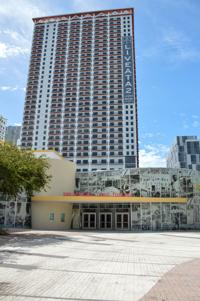
Atlantic Square, a mixed-use development with 616 units, 60% of which comprise affordable and workforce housing and 40% of which comprise market-rate units.
The median household income in Overtown is about $30,000, which suggests rent should be around $800–$900 per month. Today, one-bedroom apartmentscost between $1,700 and $1,900.
Affordable housing has long been the agency’s top priority. According to its 2024 annual report, more than 1,000 units were built with over $150 million invested in housing projects, preventing displacement.


James McQueen stands in front of Rainbow Village I by the Housing Trust.
Among the major developments are Rainbow Village I, featuring 310 affordable and workforce units for residents earning 30-80% of the Area Median Income (AMI), along with a community center, daycare and retail space; Courtside Apartments II, consisting of two five-story residential buildings for residents earning 50% and 70% of the AMI; and Atlantic Square, a mixed-use development of 616 units, with 60% comprising affordable and workforce housing and 40% comprising market-rate units, in addition to retail, communal spaces and a dog park. The redevelopment of the Culmer Gardens and Culmer Place public housing sites will result in more than 1,000 mixed-income units, including 621 affordable housing units, 212 market-rate units and 10 workforce townhomes, with the existing 226 units designated as public low-income housing.
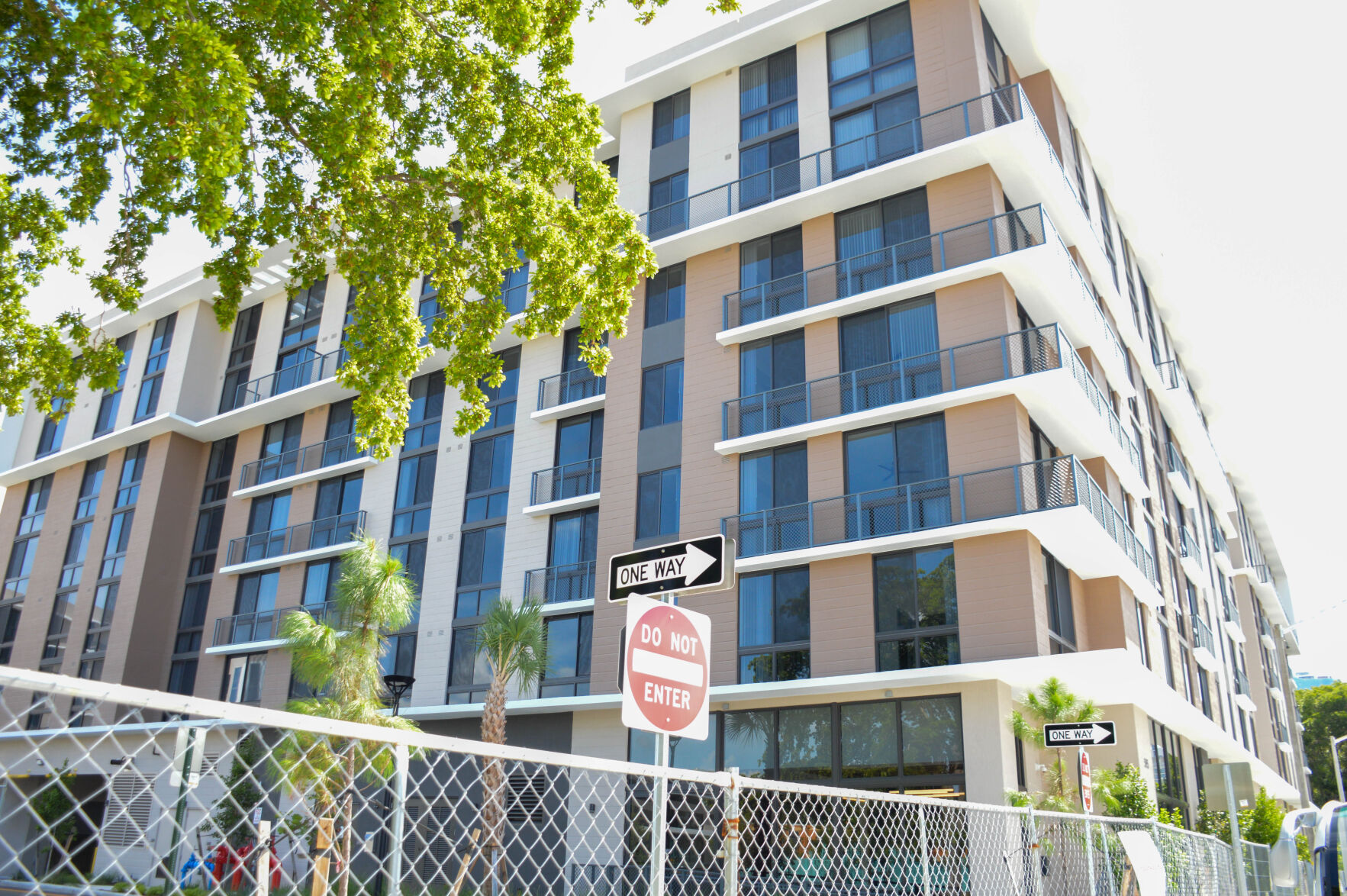
The redevelopment of the Culmer Gardens and Culmer Place public housing sites will result in more than 1,000 mixed-income units, 621 affordable housing units, 212 market-rate units, and 10 workforce townhomes.
The SEOPW CRA is also building a 24-unit building at Northwest Third Avenue and Northwest 16th Street for residents earning up to 80% AMI. Additional projects include mixed-income housing at 1141 NW 3rd Ave., considered affordable for those earning between 60% and 120% AMI, as well as 46 condos for essential workers like teachers, healthcare professionals and first responders near Culmer Place.
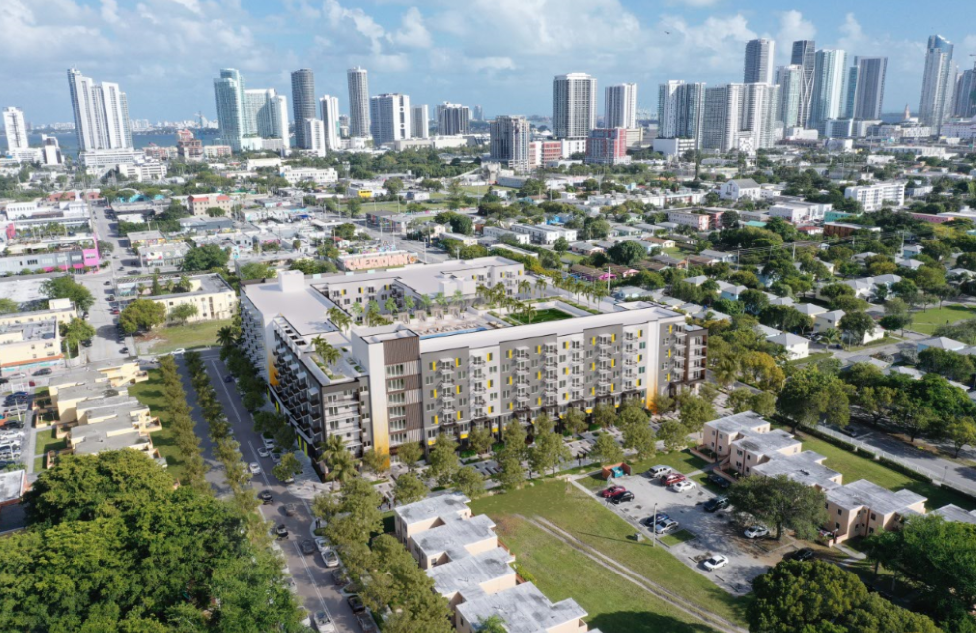
Rainbow Village I features 310 affordable and workforce units for residents earning 30-80% of the Area Median Income (AMI), along with a community center, daycare,and retail space.
Overall, the SEOPW CRA has invested over $90 million in these housing projects.
“The most important need is affordable housing,” said Brian Zeltsman, the SEOPW CRA’s director of architecture and development. “I’m happy that the bulk of our money historically through this agency has been towards affordable housing, and it’s continuing in this bond.”
Culture, community and infrastructure
Beyond housing, the SEOPW CRA is reclaiming history and creating cultural spaces for residents of Overtown. One of the most symbolic projects is the transformation of the former Women’s Detention Center, which operated from 1978 to 2012, into the Miami Museum of Contemporary Art of the African Diaspora.
The CRA has committed $25 million to the museum, which is expected to feature a rooftop entertainment venue. McQueen called the change “long overdue,” noting how the jail was built across from Booker T. Washington Senior High School.
“We have an opportunity to change that and to convert what was a jail into a modern art museum,” McQueen said. “It’s gonna change the dynamics of Overtown because this community has a rich cultural history, but we had no place to store that history.”
For Zeltsman, the adaptive reuse project reflects the beauty of revitalization.
“Some of the best projects come from that building, which is an ugly old building. But that makes for tremendous potential for a beautiful art gallery,” he said.

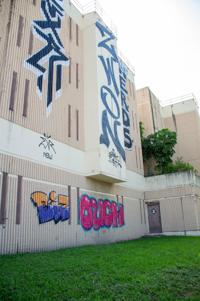
The SEOPW CRA will transform the former Women’s Detention Center, which operated from 1978 to 2012, into the Miami Museum of Contemporary Art of the African Diaspora.
The Ninth Street Pedestrian Mall is also slated for revitalization, creating a space for locals and visitors alike to perform everyday activities or host special events. The project is currently in the design phase, with permitting expected to occur next year and construction to commence in summer 2026.
“For years, the infrastructure in Overtown was ignored,” McQueen said. “We’re going to improve the green space; there is no signature green space in Overtown. The Ninth Street Mall is there, but no work has been done on it in 25 years.”

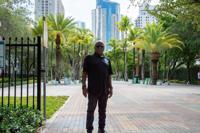
The Ninth Street Pedestrian Mall is also slated for revitalization to create a space for locals and visitors.
The CRA is further investing $10 million into the nonprofit Girl Power Rocks, Inc. to create Mama Hattie’s House Social, Educational & Recreational Complex, a safe space for young women aging out of foster care and girls at risk of trafficking and abuse. One in five girls leaving foster care becomes unhoused, according to the group’s website.
“When you turn 18 years old and you live in foster care, you have no housing, you have no support groups, and Mrs. (Thema) Campbell has been working for years to bring this project to fruition,” McQueen said of the organization’s president and CEO.
Additionally, a 300-space public parking garage is planned to support entertainment and retail.
“You can’t have economic development without places for people to park,” McQueen said, noting discussions with Greater Bethel Church to acquire land for the project.
A continued legacy
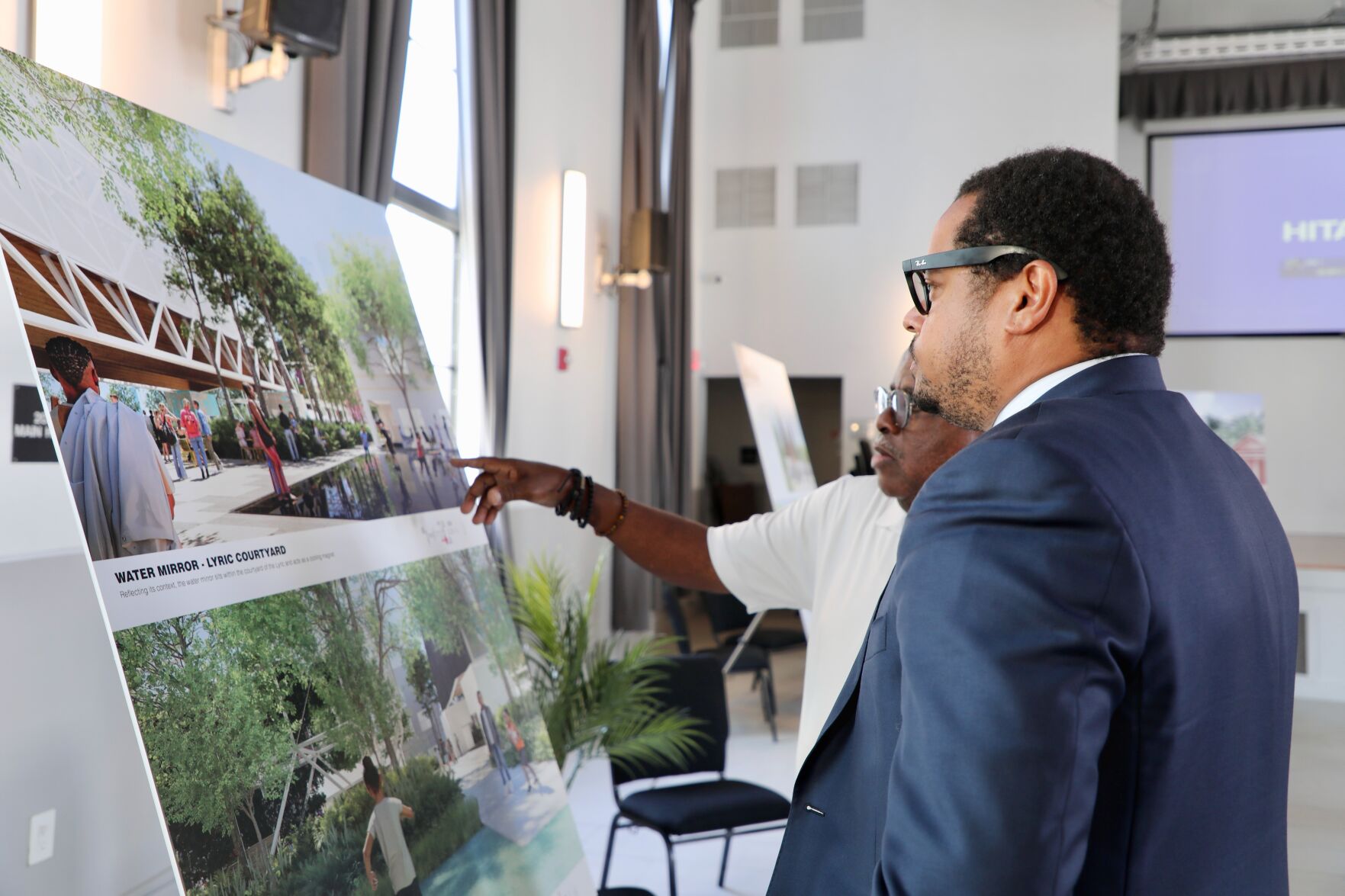
James McQueen and Keon Hardemon looking at designs for the Ninth Street Pedestrian Mall.
McQueen, who grew up in Overtown, has worked to revitalize the area with the SEOPW CRA while preserving its cultural heritage. The timing for closing the bond was critical, he said, crediting King and Miami-Dade Commissioner Keon Hardemon for their support.
“The market was right, the timing was right, and it means that we can begin or continue to make significant changes in our community,” McQueen said.
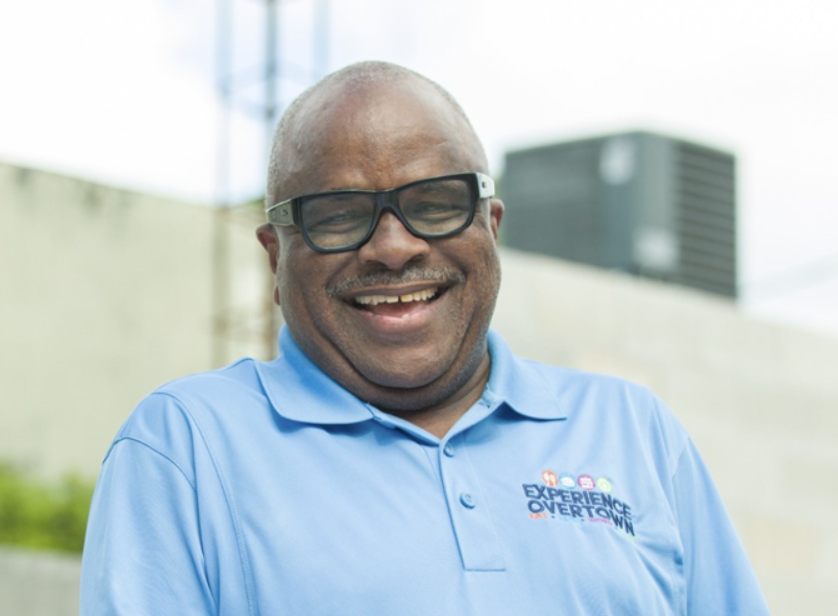
“The closing of the bond allows us to continue our mission in the renaissance of Overtown.” – James D. McQueen, SEOPW CRA
The CRA has already invested in beautification projects through its Facade Beautification and Workforce Training Program, which improves the area’s appearance and equips residents with job skills. According to the 2024 annual report, the CRA invested $1.9 million in these efforts, benefiting 57 households and six commercial properties.
The SEOPW CRA has also supported historic preservation by funding repairs and adaptive reuse projects for landmarks like the Lawson E. Thomas Building and local churches with rich legacies.
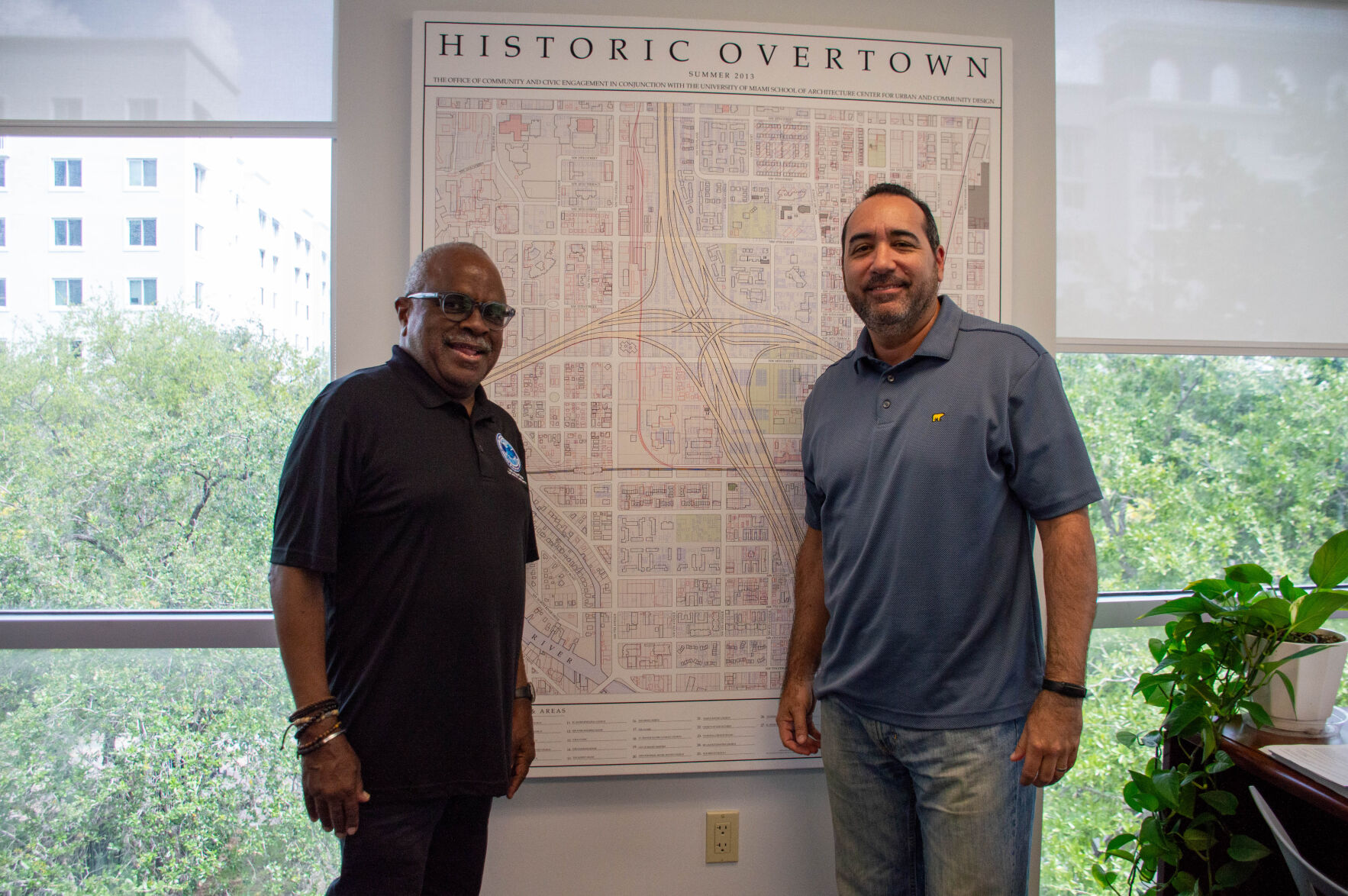
James McQueen, SEOPW CRA executive director (left), and Brian Zeltsman, the SEOPW CRA’s director of architecture and development.
Other major investments include $23.9 million for Miami Worldcenter and $17.5 million for the Tri-Rail Downtown Miami Link project.
What’s next
Zeltsman explained that although some developments have already started, the new funding is just “replenishing pockets of money” that the CRA has already spent. The bond series is scheduled to commence this fall, and projects are expected to be completed within the next three years.
While large-scale investments can raise concerns about displacement, SEOPW CRA leaders say the focus remains on the neighborhood.
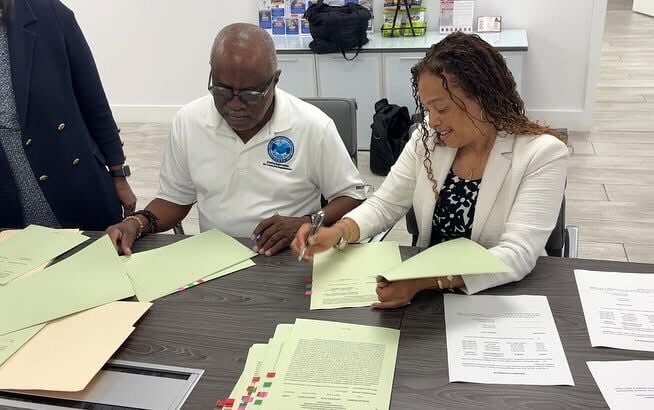
City of Miami Commission Chair Christine King and SEOPW CRA Executive Director James McQueen officially closed the 2025 SEOPW CRA Bond Series, bolstering over $170 million for redevelopment projects.
“It’s important that we have visitors from outside of the community, but it’s also our duty and responsibility to try to provide for the folks who have been here and who have suffered for a long period of time,” McQueen said.
The SEOPW CRA’s vision is clear: an Overtown that honors its history while embracing a new era of possibility.
“I encourage people to come to Overtown and to shop. We have some entertainment venues, and there will be more coming,” McQueen said.
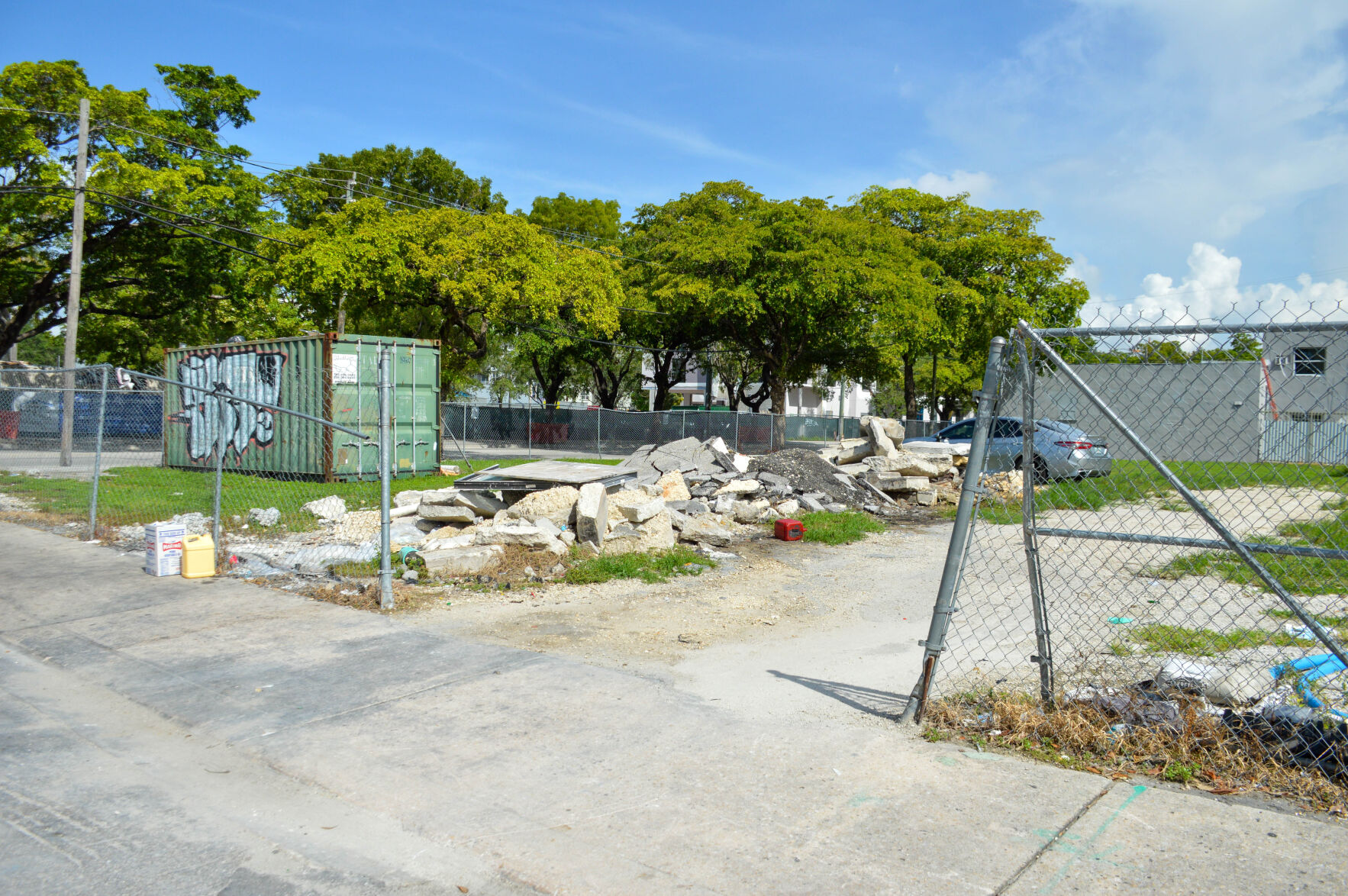
The SEOPW CRA is building a 24-unit building at Northwest Third Avenue and Northwest 16th Street for residents earning up to 80% of the AMI.
[ad_2]


